Schools these days need to be on top of their game with tech – think smooth communication and easy learning. But lots of schools are stuck using old-school management systems that just don’t cut it anymore. These old systems might seem cheap, but they can actually cost you a lot in the long run by wasting resources and slowing things down. If you’re a school leader trying to get your school ready for the future, you need to know about the hidden costs of outdated school management systems.
The hidden costs of outdated school management systems as follows:
Below are the hidden costs of outdated school management systems:
1. Reduced Administrative Efficiency
One big problem with old-school management systems is that they’re slow. Staff have to enter data by hand, fill out tons of paperwork, and deal with systems that don’t talk to each other. Things like tracking attendance, managing fees, making schedules, and writing reports take way too long and are full of mistakes.
Because of this, admin staff spend way too much time on basic stuff instead of focusing on important things. All that wasted time adds up to higher costs and burnt-out staff.
2. Increased Risk of Data Errors and Loss
It is common for legacy systems to have limitations in terms of real-time data synchronization, and they generally lack advanced validation processes, which makes it very easy to have incorrect student records, lost academic data, or student data duplication. When it comes to disputes with students and parents, improperly filed attendance, grades, or fee records will be the main issues.
On the other hand, a very long time ago, the system did not have automated backup and cloud storage, which is why if a school experiences a hardware damage, cyber attack,k or natural disaster, then it would be their data loss, not a problem of the system failure anymore. The cost it needs to be invested for the data that was lost to be retrieved can be very highand sometimes you are not lucky enough to get the data back.
3. Poor Communication with Parents and Students
Parents nowadays expect that they will be able to see and receive information through applications, emails, or a personal page. The school management system of the past had limited features in terms of integrated communication tools like notifications, messaging, or online portals.
This breach in communication results in misunderstandings, parents not being aware of events or changes, delayed fee payments, and even parents’ dissatisfaction. The schools might end up using extra time and money to smooth out the complaints, which could have been prevented if they had a modern, connected system in the first place.
4. Hidden IT Maintenance and Upgrade Costs
Initially, it may look like using an existing system is cheaper than getting a new one. But software that is no longer supported can require a lot of technical assistance, manual updates, and an expert IT team to be available at all times.
Moreover, a legacy system may not work with the latest hardware or operating systems, so schools are forced to either get extra maintenance or put up with the inconveniences. These persistent IT expenses can rapidly become the equivalent of or more than the price of adopting a cutting-edge, cloud-based school management system.
5. Limited Scalability and Growth Challenges
When schools increase their student base, their operational requirements also become complicated. An old-fashioned school management system typically ddoesn’thave the features to support scaling up. It can eventually become a problem or outright impossible to add more students, new classes, branches, or features.
If the system is not scalable, the institution’s growth and innovation will be limited. The schools will be unable to launch new programs, digital learning tools, or use performance analytics, just because their system is not capable of supporting these initiatives.
6. Data Security Problems
Schools deal with a lot of private info, like student records and health stuff. Old systems often don’t have good security, like encryption or regular updates.
This can lead to data leaks, fines, and a bad reputation. Schools have to follow data protection rules, and if they don’t because their systems are old, they could get big fines and lose people’s trust.
7. Negative Impact on Teaching and Learning
Old systems mess with more than just admin stuff—they hurt classrooms too. Teachers might struggle with clunky grading or not have good attendance systems.
Without up-to-date info, teachers can’t easily see where students are struggling or how they’re doing. This can make teaching worse and students less interested, which hurts grades.
8. Missed Opportunities for Data-Driven Decisions
Today’s school software gives you reports and analytics so leaders can make smart choices. Old-fashioned systems often give you simple, unchanging reports.
If you don’t have good info about attendance, grades, or money, leaders might just take shots in the dark instead of using real data. This can cause bad planning, wasted money, and missed chances to get better.
Conclusion
Old school systems might look cheap to begin with, but they end up hurting your school’s performance and finances in the long run. From high repair costs and info mistakes to bad communication and not being able to grow, not doing anything costs you big time.
Upgrading to a complete system like Rejoice Learning isn’t just about new tech – it’s a smart move that saves money, makes things easier, and helps your school do well in today’s digital world.
FAQs regarding The hidden costs of outdated school management systems
1. How does Rejoice Learning make talking to parents better?
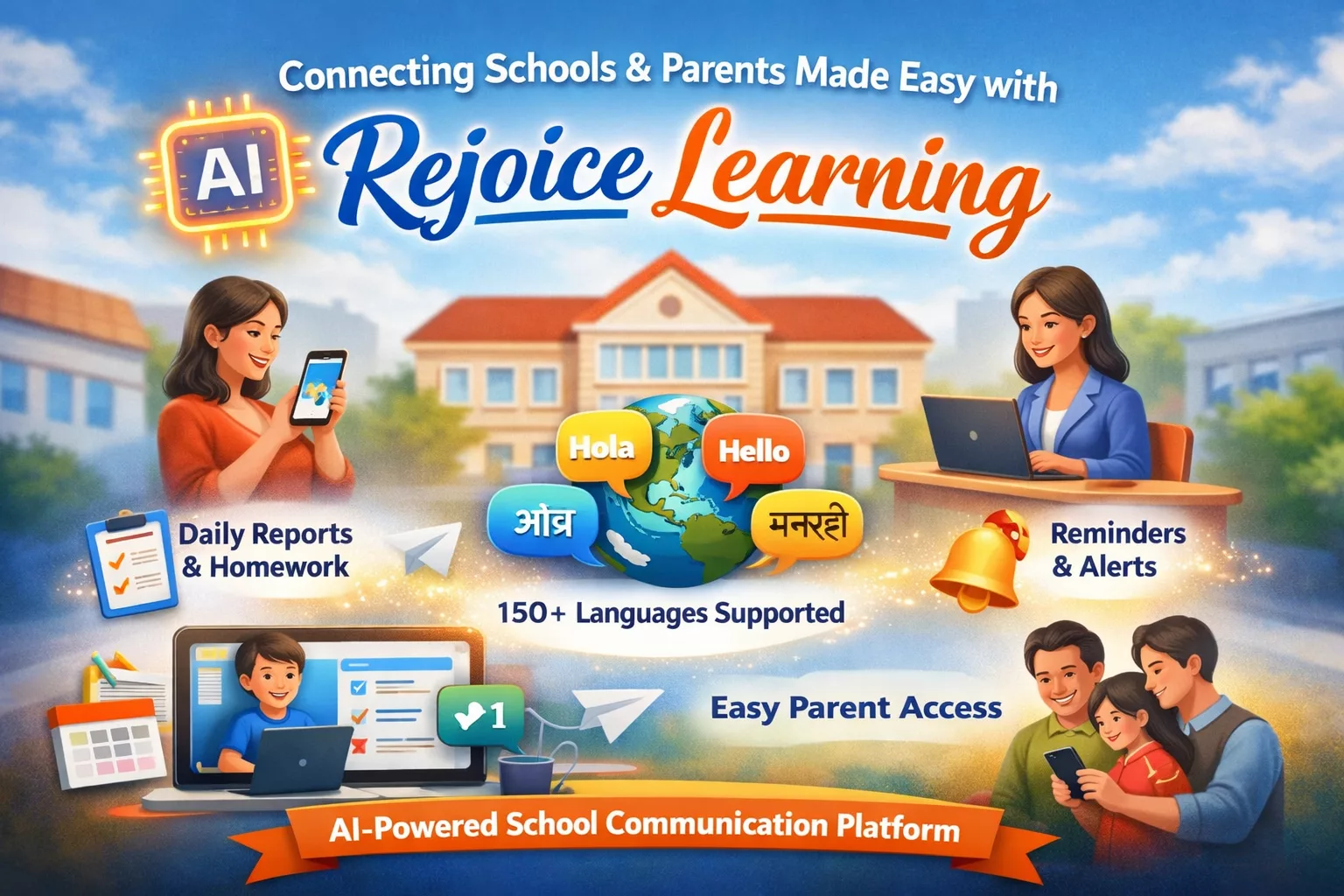
Rejoice Learning has built-in notices, announcements, reminders, and parent websites. This keeps parents in the loop about attendance, fees, tests, and what’s happening at school as it happens.
2. How do old school systems make costs go up?
Old systems make you spend more because of things like doing stuff by hand, making mistakes a lot, needing more IT help, using old hardware, and wasting staff time. These costs that you don’t see at first can really add up and be more than getting a new system like Rejoice Learning.
3. Why do schools need a new school system?
A current system makes things work better, cuts down on mistakes, makes talking to people easier, and gives you info right away. Stuff like Rejoice Learning helps schools take care of things like signing people up, attendance, fees, tests, and talking to parents all in one spot.
4. How does Rejoice Learning help schools get rid of old systems?
Rejoice Learning has a cloud-based, all-in-one system that takes care of everyday stuff automatically. It keeps data safe, makes parent-teacher talks better, and can grow as the school gets bigger.
5. Is it hard to switch from an old system to Rejoice Learning?
Nope. Rejoice Learning helps you get set up, moves your data over, and trains you, so it’s easy to switch without messing up how the school runs.