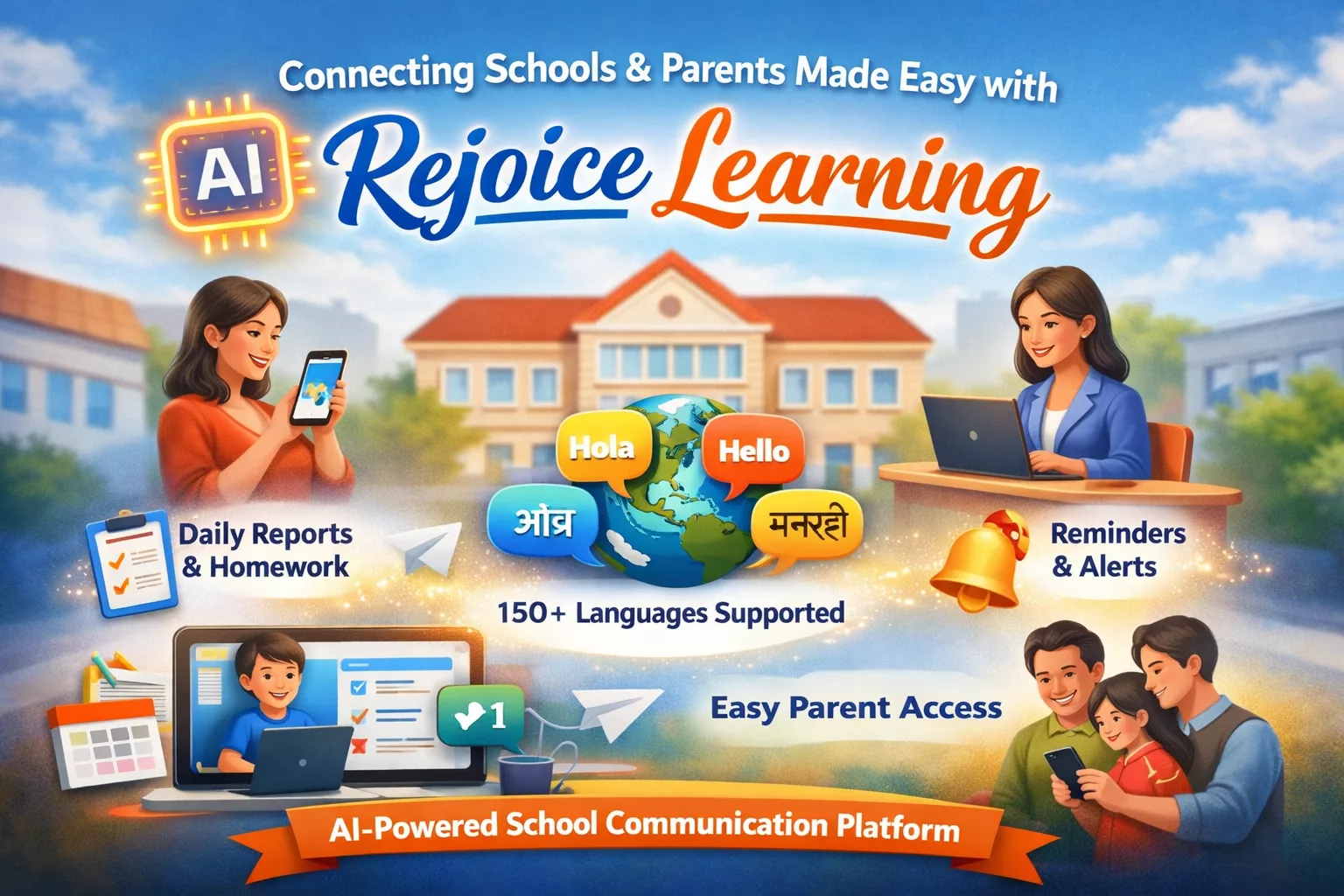

In today’s fast-paced digital era, schools are embracing technology to create smarter, more efficient learning environments. A School ERP system is one of the most powerful tools driving this change, helping educators streamline tasks, save time, and enhance academic outcomes. Here are five key ways it improves learning efficiency.
1. Simplified Administration
A School Management Software automates repetitive administrative tasks such as attendance, timetables, and report generation. This reduces paperwork and allows teachers and staff to focus more on student development instead of manual processes.
2. Better Communication
Effective communication is essential for learning success. Digital education tools enable instant updates between teachers, students, and parents — improving transparency and ensuring everyone stays informed.
3. Real-Time Performance Tracking
With built-in analytics, educators can monitor student progress and identify areas for improvement early. This helps in providing personalized attention and timely feedback, leading to better learning outcomes.
4. Efficient Resource Management
From library records to classroom scheduling, the software manages all resources efficiently. Schools can optimize time, reduce confusion, and create a more organized learning ecosystem.
5. Enhanced Student Engagement
Digital platforms make learning interactive and accessible. Features like online assessments, assignments, and communication channels keep students actively engaged, fostering a more collaborative and dynamic educational experience.
Conclusion
Implementing a school ERP system is more than an upgrade — it’s a step toward transforming education. With smarter tools and streamlined operations, schools can focus on what truly matters: empowering students to learn, grow, and excel.