
The education landscape has transformed dramatically in recent years, with digital learning emerging as the new normal. What began as a necessity during the pandemic has now evolved into a preferred method of teaching and learning across the globe.
Learning Without Boundaries
Digital education platforms have made learning accessible anytime, anywhere. Students can attend classes, complete assignments, and interact with teachers from the comfort of their homes. This flexibility has made education more inclusive, reaching learners beyond geographical and physical limitations.
Enhanced Collaboration and Engagement
Online platforms foster interactive learning through live sessions, digital discussions, and collaborative projects. Teachers can share resources instantly, and students can engage with peers more effectively. This environment encourages creativity, teamwork, and continuous engagement — essential skills for today’s learners.
Smarter Tools for Smarter Learning
E-learning tools use analytics, AI, and automation to personalize learning experiences. Students receive real-time feedback, while educators gain insights into progress and performance. This data-driven approach ensures that teaching strategies are more effective and tailored to each learner’s needs.
A Sustainable Future for Education
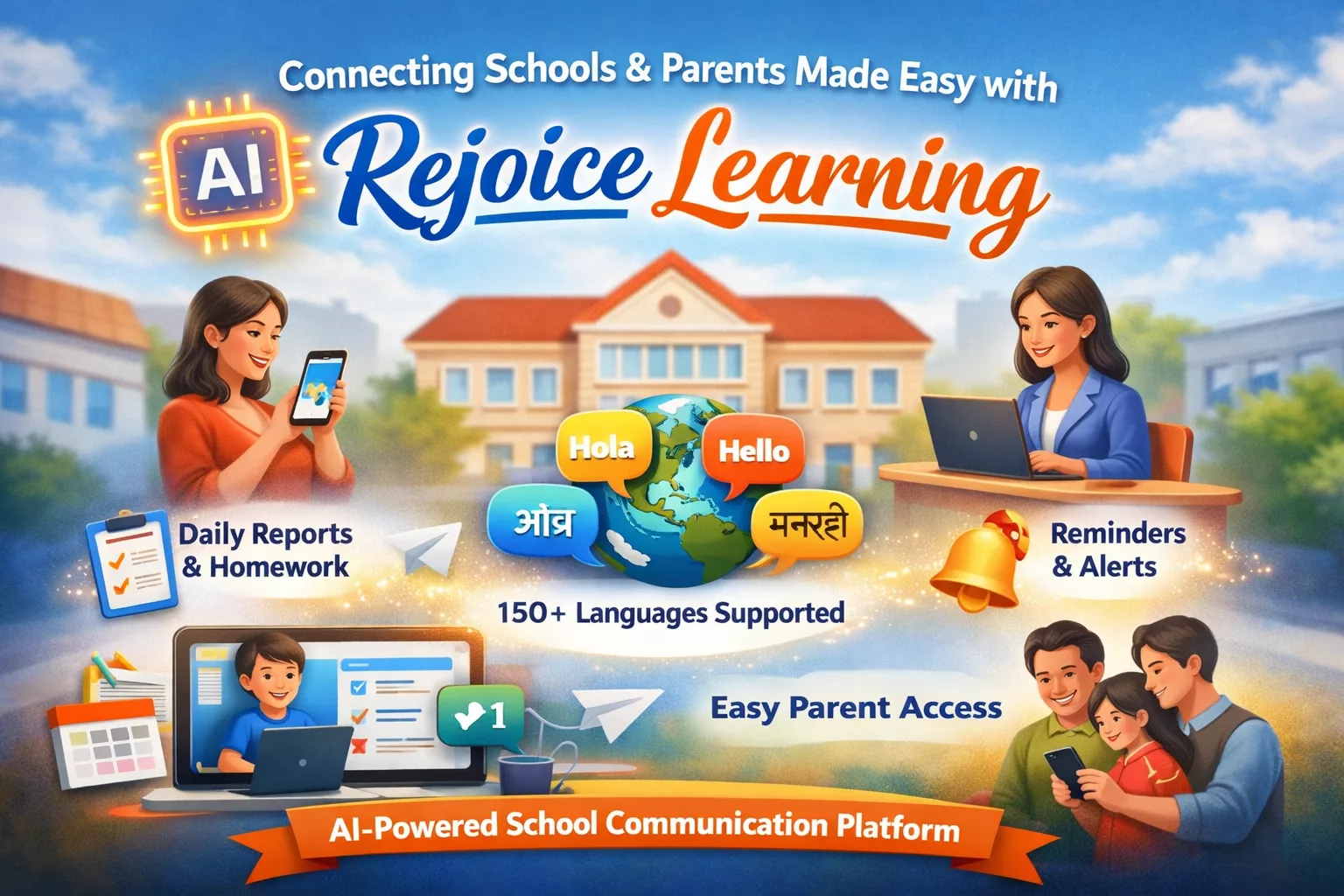
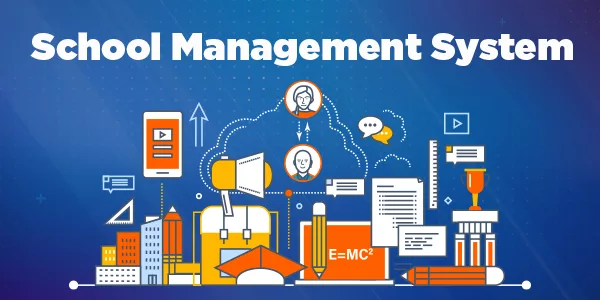
Digital education reduces the dependency on physical materials, minimizes travel, and promotes eco-friendly learning practices. Moreover, schools using platforms like Rejoice Learning can integrate administration, communication, and academics under one intelligent system — creating smarter, more efficient institutions.
Conclusion
The shift toward e-learning is more than a trend — it’s a revolution in how we teach and learn. By embracing digital platforms, schools and educators are building a future where education is flexible, engaging, and truly accessible to all.