Education has evolved dramatically in the past decade, and technology has been at the heart of this transformation. The traditional classroom is no longer limited to blackboards and textbooks — it’s now a dynamic digital space where students can learn, collaborate, and grow through technology-driven experiences. This new era of digital learning is shaping smarter schools, more efficient teachers, and highly engaged students.
The Rise of Digital Learning
The journey toward digital learning began with the introduction of computers and the internet in classrooms. However, the real transformation started when schools began integrating cloud-based management systems, AI tools, and e-learning platforms into their daily operations. These technologies are making education more interactive, accessible, and personalized.
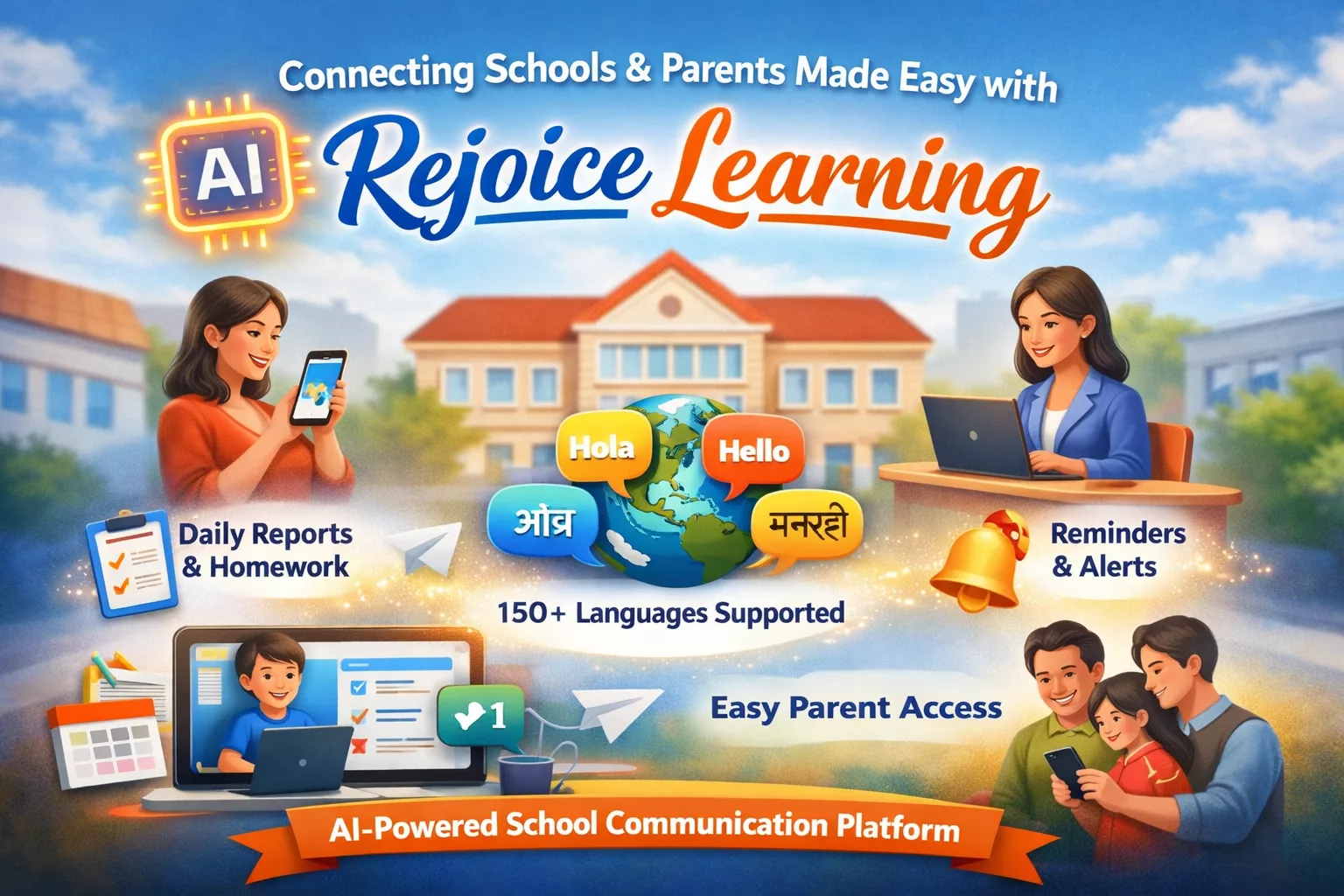
With platforms like Rejoice Learning, schools can automate administrative tasks, monitor student progress in real time, and communicate seamlessly with parents. This allows educators to focus less on paperwork and more on nurturing young minds.
How Technology is Transforming Learning
- Personalized Learning Paths
Artificial Intelligence (AI) allows schools to create customized learning experiences. Every student learns differently — and technology helps teachers identify individual strengths and weaknesses. Adaptive systems recommend specific lessons or resources, ensuring each learner progresses at their own pace. - Interactive Classrooms
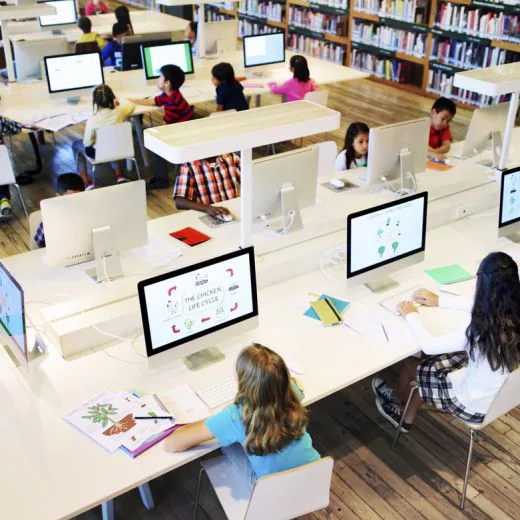
Gone are the days of passive learning. Today, interactive digital boards, online quizzes, and virtual simulations keep students actively involved. This not only boosts understanding but also makes learning more enjoyable. - Seamless Communication and Collaboration
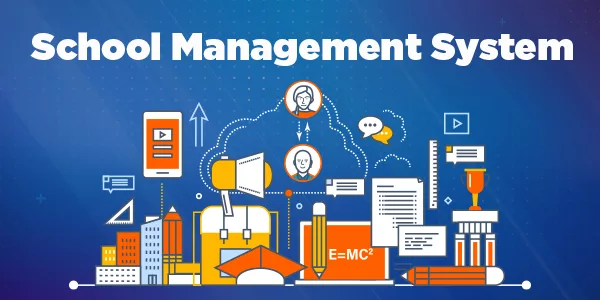
Modern school management systems bridge the gap between teachers, students, and parents. With instant notifications, online report cards, and digital attendance tracking, communication is now transparent and efficient. - Access Anytime, Anywhere
Digital platforms eliminate geographical barriers. Students can learn from home, teachers can share materials remotely, and schools can conduct classes online without disruption. This flexibility has redefined what it means to “go to school.” - Data-Driven Decisions
Technology provides real-time insights into academic performance, attendance, and administrative activities. Educators can use this data to identify trends, improve teaching strategies, and make informed decisions that drive student success.